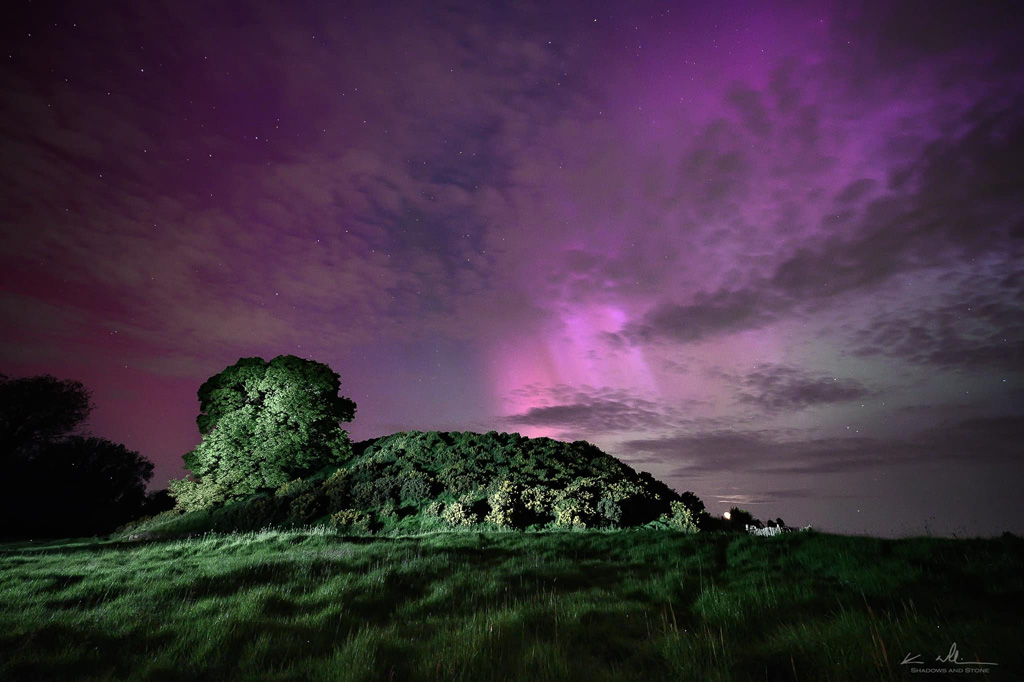
Brú na Bóinne, Ireland
Dowth
Dubhadh — A place of ancient darkness and winter light
Nestled in the bend of the River Boyne, Dowth stands as one of Ireland's most remarkable ancient monuments.
Built over five thousand years ago by Neolithic farming communities, this great passage tomb was designed to capture the dying light of the winter sun—a sacred alignment that has endured across millennia.
Together with Newgrange and Knowth, Dowth forms part of the Brú na Bóinne UNESCO World Heritage Site, a landscape of profound archaeological and spiritual significance.
Ancient Wonder
Key facts about one of Ireland's most significant prehistoric monuments
Age
Over 5,000 years
Built before the Egyptian pyramids
Mound Diameter
~85 metres
One of the largest passage tombs in Ireland
UNESCO Status
World Heritage
Part of Brú na Bóinne since 1993
Alignment
Winter Solstice
Setting sun illuminates the chamber
Name Origin
Dubhadh
Irish for 'darkening' or 'darkness'
Location
Co. Meath
In the Bend of the Boyne
Glimpses of the Past
The ancient stones and sacred landscape of Dowth
Through the Ages
A journey through five millennia of history
Construction of Dowth
Neolithic farming communities construct the passage tomb at Dowth, aligning it with the setting sun during the winter solstice. The monument is built using massive stones, some weighing several tonnes.
Peak of Passage Tomb Tradition
The Brú na Bóinne complex—including Newgrange, Knowth, and Dowth—becomes a centre of ritual activity. The landscape is shaped by generations of builders who create satellite tombs and ceremonial spaces.
Bronze and Iron Ages
The monuments continue to hold significance as later peoples interact with the ancient landscape. New burials and offerings are added, showing continued reverence for these sacred places.
Celtic Iron Age
Irish mythology begins to incorporate the mounds into stories of the Tuatha Dé Danann and the Dagda. Dowth (Dubhadh, meaning 'darkness' or 'darkening') enters the oral tradition.
The Sacred Landscape
The Bend of the Boyne—Brú na Bóinne in Irish—is a landscape shaped by the river and transformed by those who lived here thousands of years ago.
Rolling green hills hold the secrets of a world before writing, before bronze, before the pyramids of Egypt. Dowth sits at the eastern edge of this remarkable complex, its great mound rising above the valley like a gentle hill.
Explore the Landscape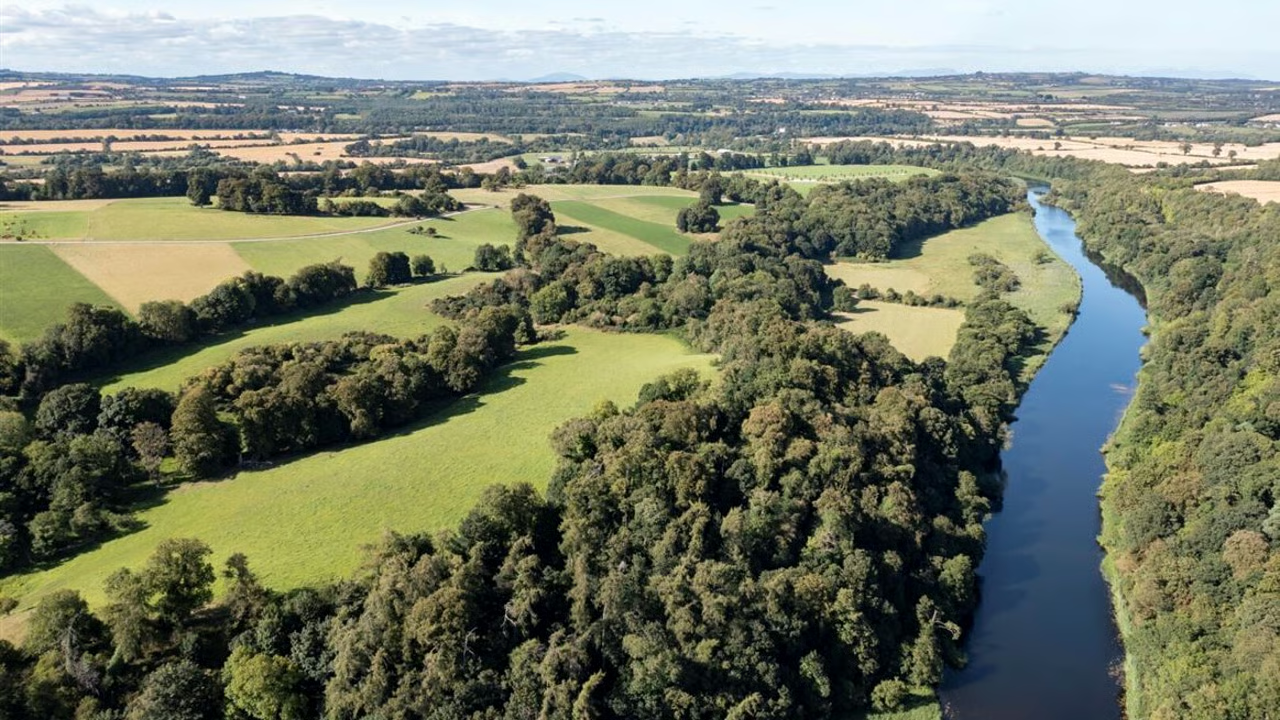
Discover the Full Story
Journey through the history, landscape, and enduring mystery of this remarkable ancient monument.