Visit Respectfully
Practical guidance for visiting Dowth and the Brú na Bóinne landscape
Visiting Dowth
Unlike Newgrange and Knowth, which can only be visited through guided tours from the Brú na Bóinne Visitor Centre, Dowth is accessible directly. The site is located on private land with public access to the area around the monument.
The passage tombs themselves are not open for public entry. However, the exterior of the mound, with its remarkable kerbstones, can be viewed, and the surrounding landscape offers beautiful views across the Boyne Valley.
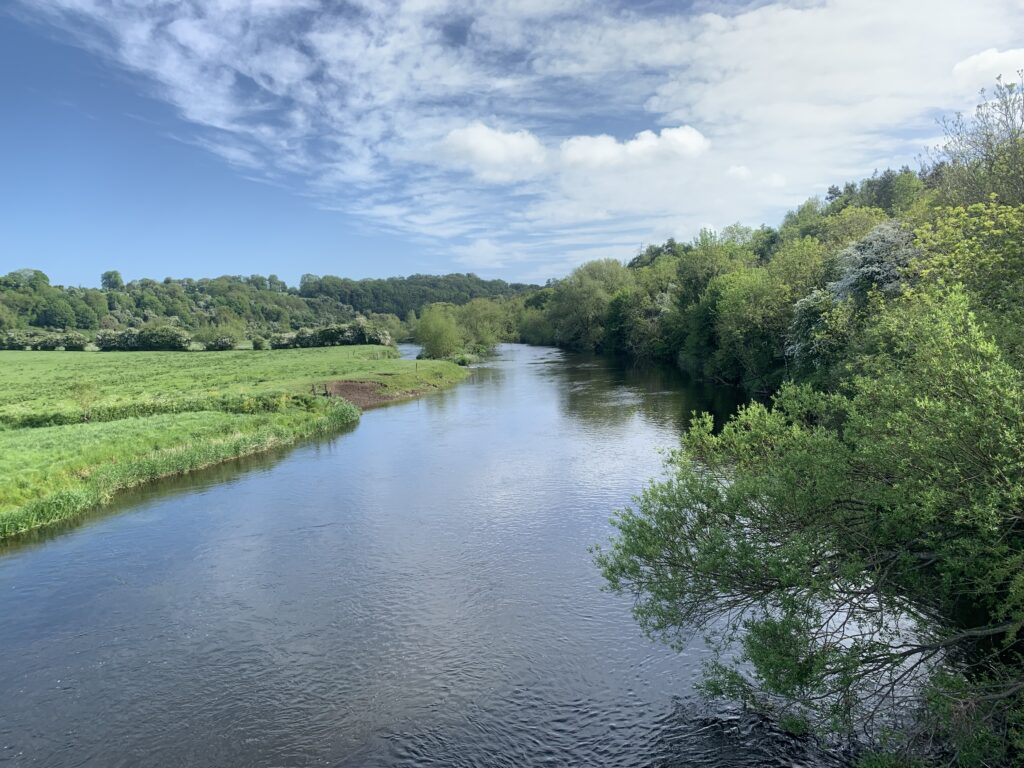
The sacred landscape of Brú na Bóinne
Heritage Etiquette
Do
- Stay on designated paths and walkways
- Keep a respectful distance from the stones
- Take photographs responsibly
- Take all litter home with you
- Keep dogs on leads at all times
- Respect other visitors' experience
Please Don't
- Climb on the mound or monuments
- Touch or lean on the carved stones
- Leave offerings or objects
- Conduct ceremonies without permission
- Use drones without authorisation
- Remove anything from the site
Getting There
Dowth is located approximately 8 kilometres from the town of Drogheda in County Meath. The monument is situated off the R150 road, between Dowth village and the River Boyne.
By Car
From Dublin, take the M1 motorway north and exit at Junction 9 (Drogheda/Donore). Follow signs for the Boyne Valley and Brú na Bóinne. There is limited parking near the site.
By Public Transport
Bus services run to Drogheda from Dublin and other towns. From Drogheda, you would need to arrange onward transport (taxi or bicycle) to reach Dowth, as there is no direct public transport to the monument.
On Foot or by Bicycle
The Boyne Valley has several walking and cycling routes. The area is relatively flat, making it suitable for cycling. Walking routes connect various monuments in the landscape.
Nearby Facilities
Brú na Bóinne Visitor Centre
The official visitor centre for the World Heritage Site, located near Donore. Offers tours to Newgrange and Knowth, exhibitions, café, and facilities.
Drogheda
The historic town of Drogheda offers accommodation, restaurants, shops, and amenities. A good base for exploring the Boyne Valley.
Battle of the Boyne Site
Historic site commemorating the 1690 battle, located along the river. Visitor centre with exhibition and walks.
When to Visit
The Boyne Valley is beautiful in all seasons, each offering a different perspective on the ancient landscape.
- Winter (December–February): Low sun creates dramatic lighting. The winter solstice alignment can be observed (though the chamber itself is not open). Weather can be cold and wet.
- Spring (March–May): Fields come alive with new growth. Pleasant temperatures for walking. Early morning mist is common.
- Summer (June–August): Long days with extended golden hours. Can be busy with visitors. The landscape is at its greenest.
- Autumn (September–November): Beautiful colours in surrounding woodlands. Quieter than summer. Changeable weather.
Early morning and late afternoon often offer the best light for photography and the most peaceful experience of the site.